
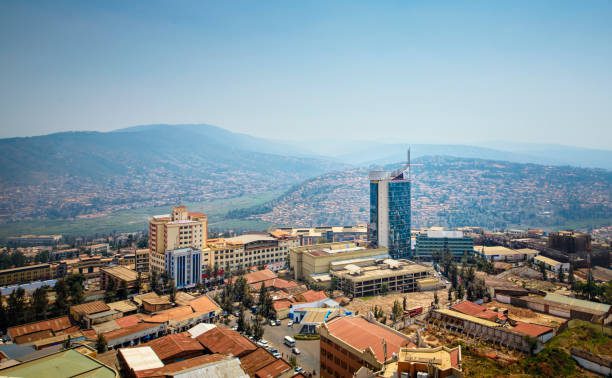
Kigali has some of the best-maintained footpaths on the African continent. Clean, demarcated, safe, and consistent across neighbourhoods that range from the commercial bustle of downtown to the quiet residential roads of Nyarutarama. The physical infrastructure for pedestrian tourism is already there. It was built with care, maintained with discipline, and is available to any visitor who steps off a plane.
The problem is not the footpath. The problem is that Rwanda has not yet built the organised walking tour sector that should be activating it.
A Map Without a Movement
India’s infrastructure challenge, as analysts have noted, is that it can build at scale but struggles to track and coordinate what it has built. The roads exist. The data does not flow between the agencies that need it. The result is infrastructure that sits underperforming because the systems around it are siloed.
Rwanda’s walking tourism challenge is structurally similar. The footpaths exist. The safe streets exist. The neighbourhoods worth walking through exist. What has not yet been built at scale is the coordinated sector around them: a visible network of certified guides, a marketing presence on global travel platforms, hotel partnerships that put walking tours on the recommended activities list, and a national tourism narrative that positions Kigali’s streets as a destination in themselves, not just a transfer point.
The Cost of the Gap
Every visitor who lands in Kigali, spends one night, and leaves for the national parks the next morning without walking a single neighbourhood is a missed opportunity. Not just for the tourism revenue that walking tours would generate, but for the local guides, street food vendors, market traders, and small business owners who would benefit directly from that visitor’s two hours and curiosity.
Unlike gorilla permits, the revenue from a walking tour does not pass through a central licensing system before reaching communities. It lands directly. A guide earns. A milk bar sells an extra round. A tailor gets a visitor who asks about what they are making. The economic multiplier from organised walking tourism at street level is immediate and traceable, which makes the failure to organise it properly a genuine policy gap rather than a minor oversight.
What Organised Looks Like
Operators like Walking Tour Rwanda have demonstrated what a functioning walking tour ecosystem looks like in practice: certified guides, consistent two-hour experiences across Downtown Kigali, Nyamirambo, Kimihurura, Remera, and Nyarutarama, and over ten thousand visitors guided since 2020. That is not a pilot. That is proof of concept. The question is why the broader sector has not followed.
Building Is Not the Same as Activating
Rwanda’s footpaths did not build themselves. They required planning, investment, maintenance, and institutional will. The walking tour sector requires the same things, not in concrete and drainage, but in guide training programmes, platform visibility, travel trade partnerships, and a coordinated marketing strategy that tells the world Kigali’s streets are worth two hours of any visitor’s time.
India discovered that a shared infrastructure map is only as useful as the systems built on top of it. Rwanda is at an analogous moment with its pedestrian infrastructure. The footpaths are the map. The walking tour sector is the system that should be built on top of them. One exists. The other is underbuilt. The gap between them is costing Kigali tourism every single day.
The Solution Is Already Walking
The encouraging part of this story is that the solution does not require building anything new. The footpaths are there. The neighbourhoods are rich with stories, culture, food, and human interest. The certified guides exist. The visitors are arriving.
What is needed now is coordination, visibility, and the institutional recognition that a well-organised walking tour sector is not a nice addition to Rwanda’s tourism offer. It is the missing connector between the infrastructure Rwanda has already built and the visitors who are standing on it without knowing what to do next. Visitors can take the first step today by exploring Walking Tour Rwanda, booking a tour, or checking current pricing. The footpath is already there. The tour is ready. The sector just needs to catch up.

0 Comments