
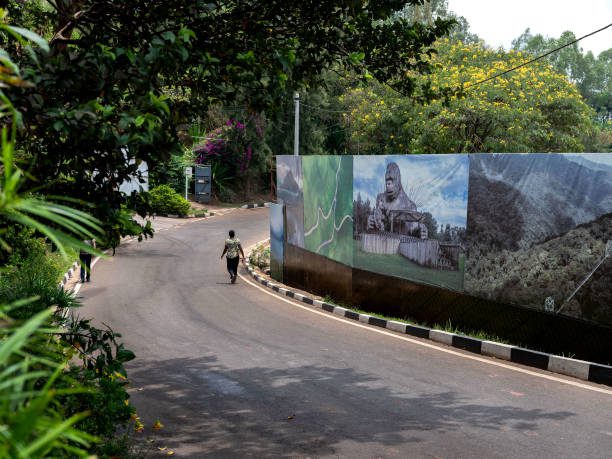
The global shift toward flexible and remote work has changed not just where people work, but how they travel. A professional who once had two weeks of annual leave and a rigid office schedule now has something very different: the ability to extend a work trip into an exploration, to break a Monday morning into a guided walk through a neighbourhood they might otherwise only have seen from a taxi window.
In Kigali, that shift is showing up directly in who is booking walking tours, and when.
Remote Work Changed the Traveller, Not Just the Trip
Over 40 million people globally now identify as digital nomads, a number that has more than doubled since 2019. But the more significant change is not the dedicated nomad community. It is the much larger population of flexible workers who are blurring the line between a business trip and an extended stay, between a conference visit and a week of working from a city they decided to explore properly.
These travelers stay longer, spend differently, and engage more deeply with local economies than traditional short-stay tourists. They eat at neighbourhood restaurants rather than hotel buffets. They use local transport. They look for morning activities that fit around afternoon calls. And increasingly, they are booking two-hour guided walking tours that show them the city they are living in temporarily rather than simply passing through.
Kigali as a Flexible Work Destination
Kigali has quietly become one of Africa’s most appealing cities for the flexible work traveller. Reliable internet, a safe and walkable environment, a growing co-working infrastructure, and direct air connections to Europe, the Middle East, and across Africa make it a practical base for professionals who want to work from the continent without sacrificing connectivity or comfort.
Rwanda’s visa policy has also contributed. The country’s open-door approach to African visitors and its straightforward entry process for international professionals means that extending a conference stay into a working week, or a working week into a proper city exploration, involves very little friction. The mornings belong to the city. The afternoons belong to the laptop. And the city that earns those mornings is one worth walking, which is exactly where Walking Tour Rwanda comes in.
Morning Walks, Afternoon Work
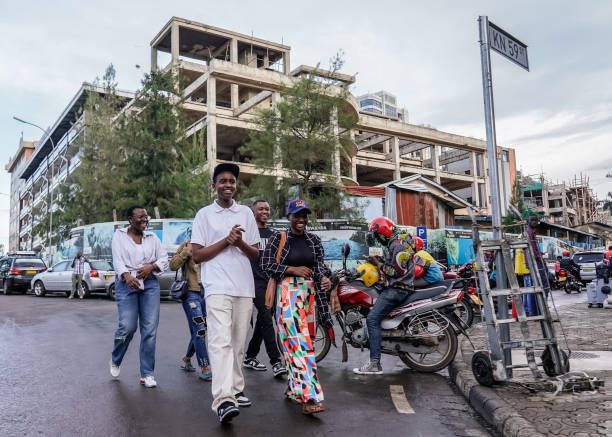
The practical appeal of a walking tour for a flexible worker is straightforward. A two-hour guided walk fits perfectly into the window between an early breakfast and a midday call. It does not require transport, booking a driver, or coordinating a group schedule. It starts on a street corner and ends two hours later with a clear head, a full notebook of observations, and the kind of grounded city knowledge that makes the rest of the working day feel connected to where you actually are.
Flexible workers staying in Kigali for a week or more have time to work through multiple neighbourhood tours: Downtown Kigali on a Tuesday morning, Nyamirambo on a Thursday, Kimihurura on a Saturday. By the end of the stay they know the city in a way that a weekend visitor or a conference attendee with a packed schedule simply cannot.
What Flexible Workers Find on a Kigali Walking Tour
The flexible work traveller is not looking for the gorilla story. They already know Rwanda’s flagship tourism narrative. What they are looking for is the texture of the city: where the good coffee comes from, how the neighbourhood markets work, what it actually feels like to live and work in Kigali rather than visit it.
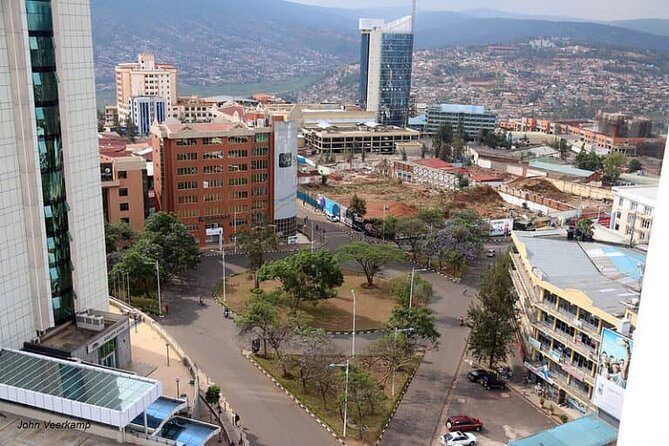
A walk through Remera shows them the entrepreneurial energy of the city’s working middle. A walk through Nyarutarama shows them where Kigali goes quiet. A walk through Kimihurura shows them the innovation and diplomatic layer of a city that is actively building its place in the world, which tends to resonate particularly strongly with professionals who are already engaged in that same global conversation from their laptops.
A New Tourism Category That Kigali Is Built For
The flexible work traveller represents one of the fastest-growing categories in global tourism in 2026. Unlike traditional tourists, they do not need to be sold on a destination in advance. They are already there. They have time between calls. They have curiosity and disposable income. What they need is a product that fits their schedule and delivers the city at street level rather than from behind a conference room window.
Walking tours are that product. And Kigali, with its clean streets, safe neighbourhoods, trained local guides, and growing reputation as a city worth staying in rather than passing through, is extraordinarily well positioned to capture this traveller for the next decade of tourism growth.
Book Around Your Schedule
Whether you are in Kigali for a conference, a project, or a working month, a walking tour fits into your morning before the day begins. Book a walking tour or check current pricing at Walking Tour Rwanda. Two hours. One neighbourhood. A city that earns the morning.

0 Comments