
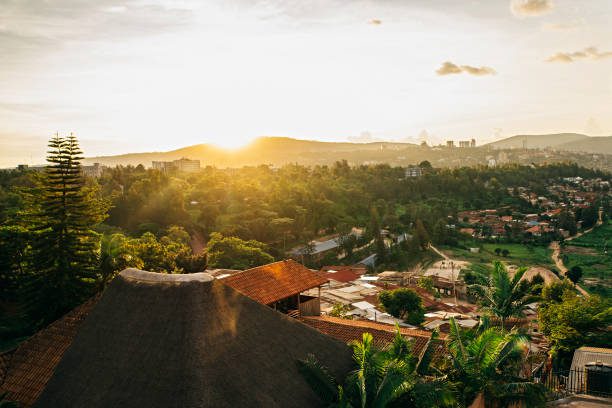
Rwanda has spent the last two decades building a global reputation for gorilla trekking, clean streets, and a remarkable post-genocide recovery story. But as the country marks growing momentum around sustainable, community-based tourism, a quieter question is emerging: can walking tours become the next tourism boom of Rwanda?
For a country whose tourism economy has long been anchored by high-cost wildlife experiences, the bigger opportunity may be sitting in plain sight, on the streets of Kigali itself.
A City Built for Walking
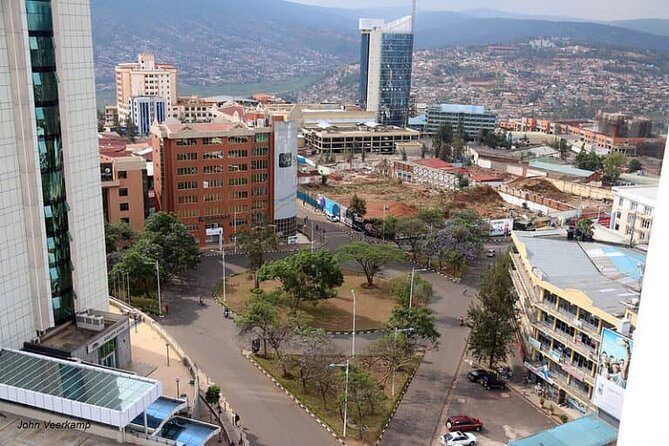
Kigali is consistently ranked among Africa’s cleanest and safest capitals, and that reputation is exactly what makes it fertile ground for guided walking tourism. Unlike safari circuits that require long drives and high entry fees, a walking tour needs only a guide, a neighborhood, and a willingness to slow down.
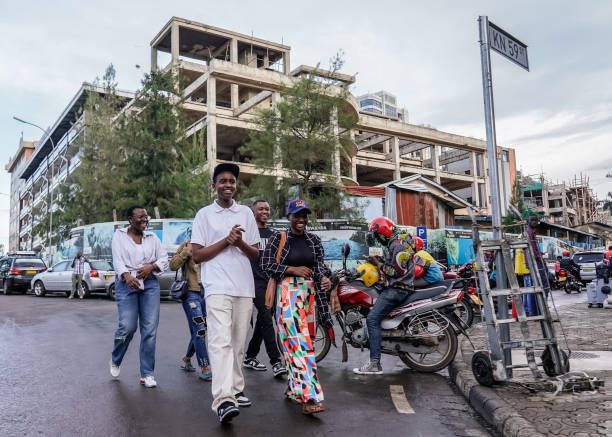
Operators such as Walking Tour Rwanda have built two-hour guided experiences through neighborhoods like Downtown Kigali, Nyamirambo, Remera, Nyarutarama, and Kimihurura, connecting visitors directly with local food, markets, history, and everyday Rwandan life.
Why Low-Cost Tourism Matters
Rwanda’s permit-based wildlife tourism generates significant revenue, but it largely serves a narrow, high-budget traveler segment. Walking tours open the door to a much wider audience, including backpackers, business travelers, students, and digital nomads who want authentic culture without a four-figure price tag.
According to the World Tourism Organization, community-based and walking tourism products are among the fastest-growing categories worldwide because they require low capital investment while distributing income directly to local guides, vendors, and small businesses rather than large hotel chains.
That same logic applies in Kigali. A single two-hour walk can put money directly into the hands of a street food vendor, a coffee seller, a tailor, or a local guide, the kind of grassroots economic impact that mass tourism rarely achieves.
From Niche Activity to Tourism Pillar
Industry observers note that the biggest barrier is not demand, it is awareness. Many visitors still assume Rwanda tourism begins and ends with Volcanoes National Park. Changing that perception requires walking tour operators to be visible online, easy to book, and consistently reviewed by past guests.
Walking Tour Rwanda has already guided more than 10,000 visitors since 2020, a sign that demand for authentic, affordable, local-led experiences is real and growing. As more travelers search for things to do in Kigali beyond gorillas, guided neighborhood walks are positioned to become a core part of the country’s tourism identity, not just a side activity.
The Road Ahead
For walking tours to become a genuine tourism boom, Rwanda will need stronger marketing support, more trained local guides, and continued investment in neighborhood safety and infrastructure. The foundation, a walkable capital with rich, layered stories on every street, is already there.
Whether it is exploring the markets of Nyamirambo, the diplomatic streets of Kimihurura, or the green calm of Nyarutarama, the appetite for slow, human-scale travel is rising. To experience it firsthand, visitors can book a walking tour or view current pricing to plan a visit to Kigali on foot.

0 Comments