Every year on July 4th, Rwanda marks Liberation Day, the anniversary of the end of the 1994 genocide and the beginning of the country’s long, extraordinary journey of reconstruction. Across Kigali, residents celebrate in the most direct way available to them: by coming together in the neighbourhoods they live in and showing, visibly, what has been built.
This year, that spirit of celebration took a new form. Residents, community leaders, and international visitors joined local guided walking tours through Kigali’s five main neighbourhoods, choosing to mark liberation not with a speech or a ceremony, but with a walk through the city that Rwanda’s people built back from the ground up.
Nyamirambo: The Heart of the Celebration
In Nyamirambo, Liberation Day brought the neighbourhood’s already-vibrant street life to a new level of energy. Guided walks led by Walking Tour Rwanda moved through markets, past tailors and milk bars, and alongside residents who have watched this neighbourhood grow from hardship into one of Kigali’s most talked-about communities. For international visitors joining the walk, it was a street-level introduction to what liberation looks like thirty years on.
Downtown Kigali: Walking Through Transformation
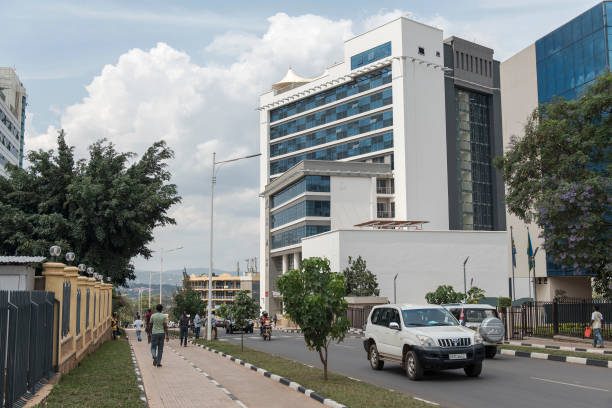
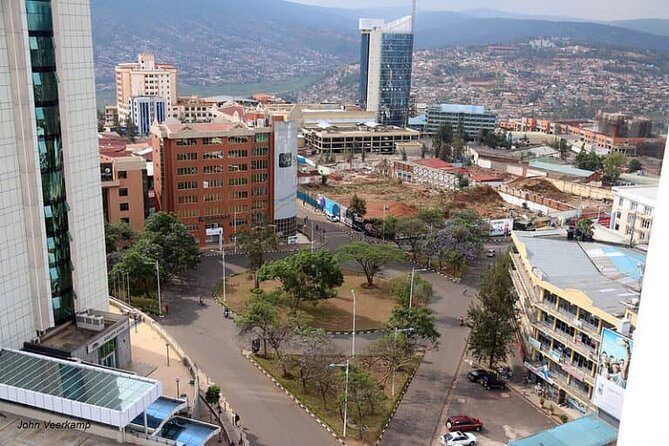
In Downtown Kigali, Liberation Day walks traced the city’s commercial transformation: the buildings that replaced rubble, the roads that replaced uncertainty, the markets that replaced silence. Local guides narrated each street not as a tourist attraction but as a lived record of what Rwanda chose to do after 1994, a story that has no equal on the continent and deserves to be told on foot rather than from inside a vehicle.
Kimihurura: Rwanda’s International Identity on Display
In Kimihurura, delegates, diplomats, and long-term residents walked together through the neighbourhood that now houses embassies, innovation hubs, and some of Kigali’s most ambitious professional spaces. Liberation Day in Kimihurura is a reminder of how far Rwanda has extended its reach into the world, and how much of that reach is visible on a single two-hour walk through streets that barely existed thirty years ago.
Remera and Nyarutarama: Everyday Liberation
In Remera, the celebration looked like the neighbourhood on any other morning: local businesses open, sports culture alive, entrepreneurs moving between meetings. The guided walk here made the point quietly but clearly: the most powerful form of liberation is the one that becomes ordinary. And in Nyarutarama, families and residents walked tree-lined streets in a neighbourhood that speaks of stability, investment, and the long-term faith that Rwandans have placed in the city they chose to rebuild.
What Liberation Day Walking Tours Mean
Rwanda’s Liberation Day is always marked with infrastructure. Roads opened, bridges inaugurated, buildings handed over to communities that helped build them. Walking tours fit that tradition precisely because they are themselves a form of infrastructure: a system built to transfer the knowledge, pride, and story of a neighbourhood from those who lived it to those who came to witness it.
When a visitor walks through Kigali on Liberation Day with a local guide, they are not observing a commemoration from a distance. They are part of the act of transmission that keeps the story alive: the guide who grew up here, the visitor who never knew, the street that held both of them for two hours and gave them something to carry home.
Join the Walk
Liberation Day is once a year. The walks are available every week. To experience Kigali through the streets its residents rebuilt, book a walking tour or check current pricing at Walking Tour Rwanda. Every walk is a small act of witnessing. In Rwanda, witnessing has always mattered.

0 Comments