
When a Chongqing blogger documented a 2,200-kilometre taxi journey through Xizang and earned 20 million likes on Douyin, Chinese tourism officials saw something more significant than a viral video. They saw a structural shift in how destinations earn attention and trust: not through polished promotional films, but through authentic, human-scale storytelling that audiences believe because it feels lived rather than produced.
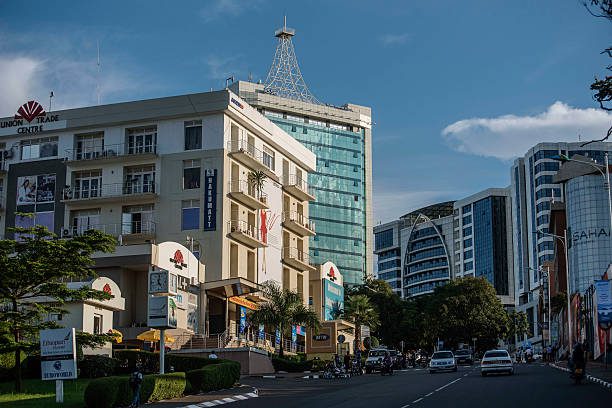
Kigali’s shift is happening through a different medium but the same logic. Not a viral video, but a two-hour walk through a real neighbourhood with a guide who actually lives there. The result is the same: tourists leaving with a story they did not expect, told by someone they were not expecting to meet, in a place they were not expecting to care about.
That shift has a name in Kigali. It is called Walking Tour Rwanda.
The Old Model and Its Limits
Rwanda’s tourism marketing has, for two decades, been built around high-quality imagery: mountain gorillas, mist-covered volcanoes, immaculate hotel lobbies, and a national recovery story summarised in three punchy sentences. That model worked for what it was designed to do, which was put Rwanda on the map for a specific category of high-budget international traveler.
But polished promotional content has a ceiling. It attracts visitors to a country, positions a national brand, and fills a park permit quota. What it does not do is generate the kind of organic, first-person storytelling that now drives most travel decisions: the Instagram post that says this was the best thing I did, the WhatsApp message sent to a friend mid-walk, the blog entry written at the kitchen table a week after returning home.
For that kind of storytelling to happen, something real must first occur. The experience must be genuine, surprising, and human enough to make someone want to describe it to another person. That is the shift walking tours represent.
Authentic Storytelling Cannot Be Scripted
The reason Xizang’s taxi video earned 20 million likes was not the budget or the production quality. It was the opposite: a single person in a car documenting what was actually in front of them. The authenticity was the product.
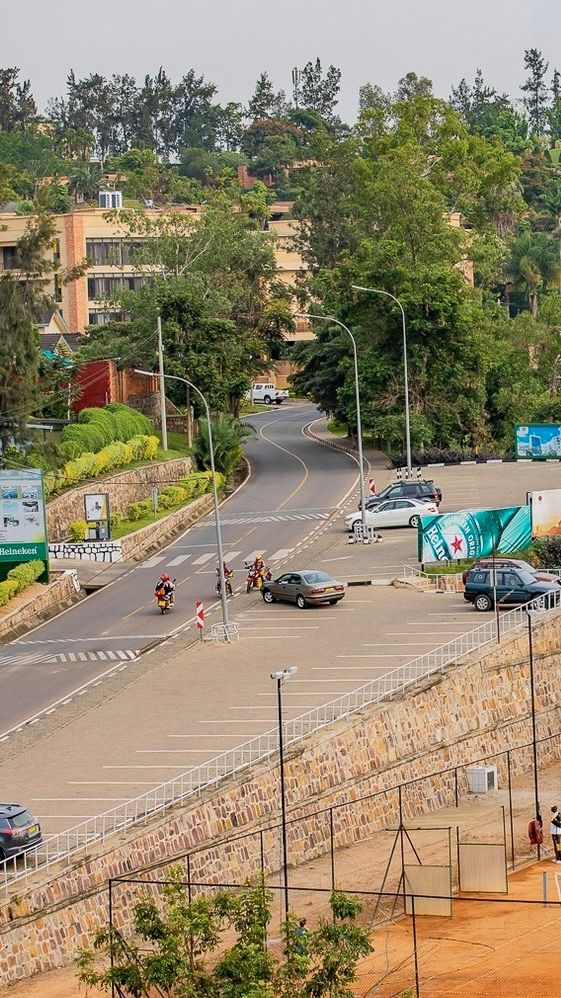
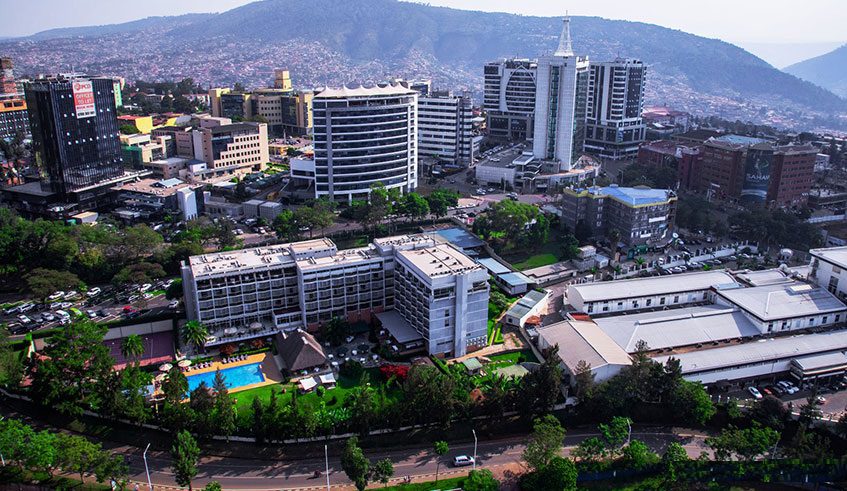
Walking tours work on exactly the same principle. When a visitor walks through Nyamirambo and a tailor hands them something to look at, or through Downtown Kigali and a guide explains what a particular building replaced and why, or through Kimihurura and pauses for coffee with a roaster who knows exactly where every bean in the bag came from: those moments are not scripted. They happen because the guide is real, the neighbourhood is real, and the encounter is real.
That is the content that gets shared. Not because it was designed to go viral, but because it was worth describing to another person.
Turning Attention Into Sustained Growth
The cultural critic quoted in the Xizang story made a point that applies directly to Kigali: viral exposure is only the beginning. The real challenge is turning short-lived attention into sustained tourism growth, which depends entirely on what tourists actually experience once they arrive.
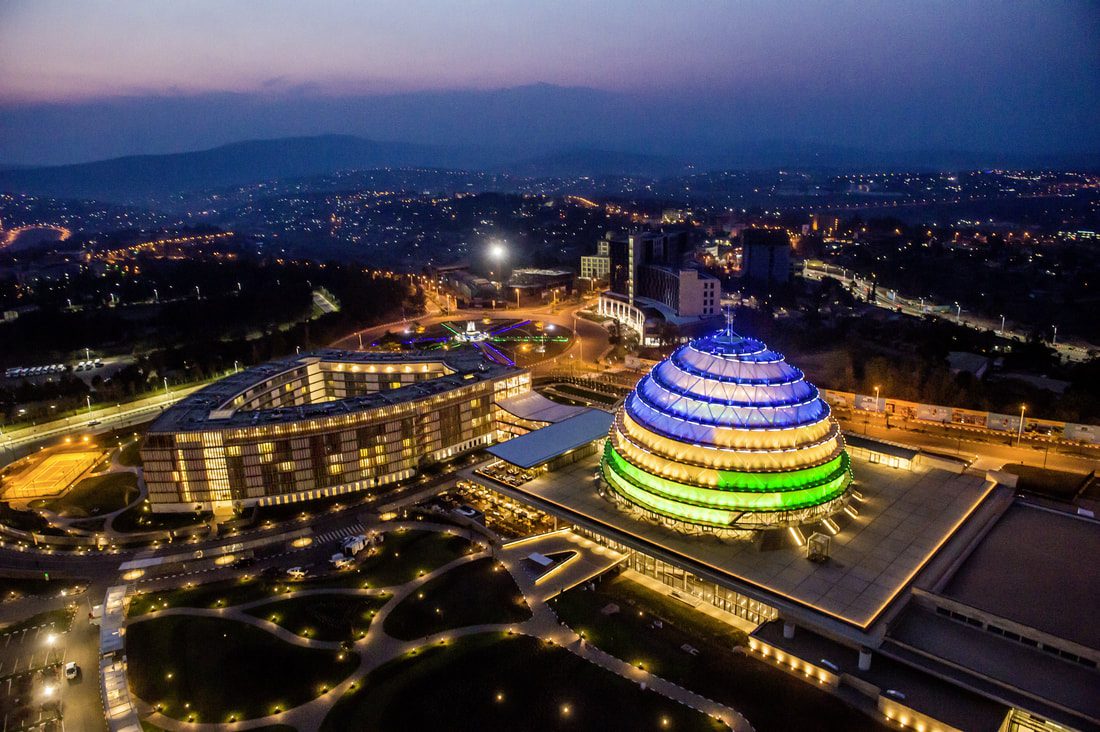
Rwanda has the attention. It has the gorillas, the conference centres, the airline routes, and the safety rankings that put it on global shortlists. What walking tours add is the depth that converts a one-time visitor into a repeat one, a passing traveler into someone who sends their friends, and a satisfied tourist into an organic advocate who tells the story without being asked.
Visitors who walk through Remera or spend a quiet morning in Nyarutarama leave with something that a gorilla photograph alone cannot provide: a relationship with the city itself. That relationship is what brings people back and what makes them tell others to go.
The Signal Kigali Is Sending
Every destination that shifts from top-down promotional marketing toward grassroots, experience-first storytelling is sending the same signal: we are confident enough in what we actually are that we do not need to dress it up. Come and see for yourself.
Kigali is confident enough. The streets are clean, the guides are trained, the neighbourhoods are layered with stories, and the visitors who have already walked them are doing the marketing that no government campaign budget could purchase.
That is the shift. Not a slogan, not a campaign, not a cash reward for a viral video. Just a walk through a real city with a guide who knows it, repeated thousands of times, until the city’s reputation is built not on what it says about itself but on what its visitors cannot stop saying about it.
Be Part of the Shift
The tourism shift in Kigali is already underway. To experience what is driving it, book a walking tour or check current pricing at Walking Tour Rwanda. Two hours on foot through a real Kigali neighbourhood. No promotional film required.

0 Comments