
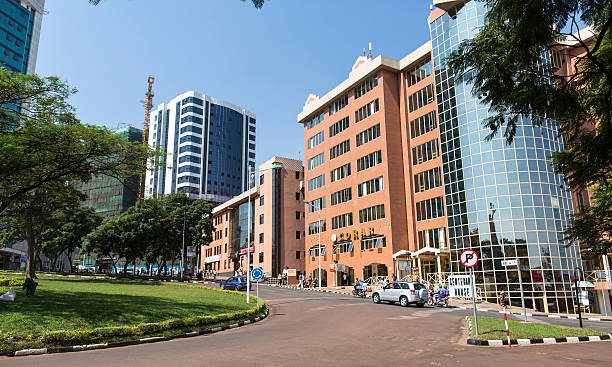
Sometimes the best way to understand how much a city has changed is to stop and stand in it.
A photographer from The New Times recently set out on a routine afternoon drive to collect a camera lens and came back with a visual document of a city mid-transformation: cranes above Kimihurura, glass facades rising along the city centre, construction hoardings hiding what will, in a year’s time, be some of Kigali’s most significant new landmarks. The skyline was changing so fast that an unplanned drive turned into an unintentional record of a moment in progress.
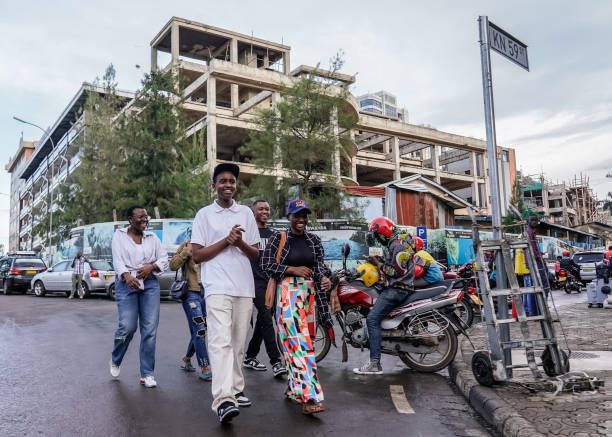
A guided walking tour through the same streets tells a different version of the same story. Not from behind a windscreen, but from the pavement, close enough to read the construction notices, hear the sounds of building, and have a local guide explain not just what is going up, but what was there before and why it mattered. That is the journey that Walking Tour Rwanda makes possible every week.
Kimihurura: Where the Skyline Is Moving Fastest
The new Inzovu Mall rising in Kimihurura is the single most visible symbol of where Kigali is heading. A retail and leisure hub, a four-star hotel, modern offices, and a business centre, all on a street that a decade ago was a quiet residential corner of the city. From a car window it registers as another large building under construction. On foot, with a guide, it becomes a conversation: about investment, about who is building what and for whom, about how Kigali is choosing to position itself for the next decade of growth.
The Kimihurura walking tour was built precisely for this kind of observation. Embassies, innovation hubs, and now a landmark commercial complex: the neighbourhood is a live document of Rwanda’s international ambitions, and it reads best when you are standing inside it.
Downtown Kigali: A Skyline Built on Rebuilding
The Downtown Kigali Walking Tour offers a different kind of skyline story. The buildings here are not all new. Some are a decade old, some older, and the guide’s job is to explain what they replaced, what the spaces between them used to hold, and how a city that had to start again chose to organise its centre. That historical layer is invisible from a car and only emerges on foot, when you have time to look up, look sideways, and ask the person next to you what they remember.
Nyamirambo: A Skyline of Human Scale
Not every skyline is made of glass and steel. In Nyamirambo, the skyline is rooftops, market canopies, mosque minarets, and the upper floors of family-run businesses that have been in the same spot for a generation. The Nyamirambo walking tour shows visitors a Kigali that is not changing in the same visible, crane-heavy way as Kimihurura, but is evolving continuously at the level of the street: new businesses opening, old ones adapting, a neighbourhood that has always known how to sustain itself.
Remera and Nyarutarama: The Skyline Behind the Skyline
The most photographed parts of Kigali’s changing skyline are its commercial peaks. But Remera and Nyarutarama tell the story behind those peaks: the residential expansion, the new sports facilities, the tree canopy that has been deliberately maintained even as the city grows around it. Walking these neighbourhoods gives visitors a sense of how Kigali is choosing to grow, not just vertically in the centre, but horizontally and carefully in the districts that house the people who make the city function.
The Difference Between Driving It and Walking It
A drive through Kigali’s changing skyline gives you the view. A walking tour gives you the story behind the view. The cranes, the hoardings, the finished buildings and the ones mid-frame all look different when you are at street level with someone who can tell you what each one means for the neighbourhood it stands in.
That is what makes walking the most honest way to understand a city that is changing this fast. You cannot absorb change from a moving vehicle. You have to stop, stand in it, and let someone who has watched it happen explain what you are looking at.
Walk the Skyline
Kigali’s skyline will look different again in twelve months. The best time to walk through its changing streets is now, while the story is still mid-sentence and the guide next to you watched the first chapter unfold in person. Book a walking tour or check current pricing at Walking Tour Rwanda to plan your guided journey through the city that keeps building itself.

0 Comments